Skip to content

Home / Predict / Applications

Predict applications

If it turns, it can tell you it is failing.

The Predict node measures vibration and temperature on rotating machines: motors, pumps, fans, gearboxes, compressors and conveyors. Those machines run every industry, from oil refineries and mines to ships and railways. VibNode is in physical testing now; a long-range version is in development for large, spread-out sites.

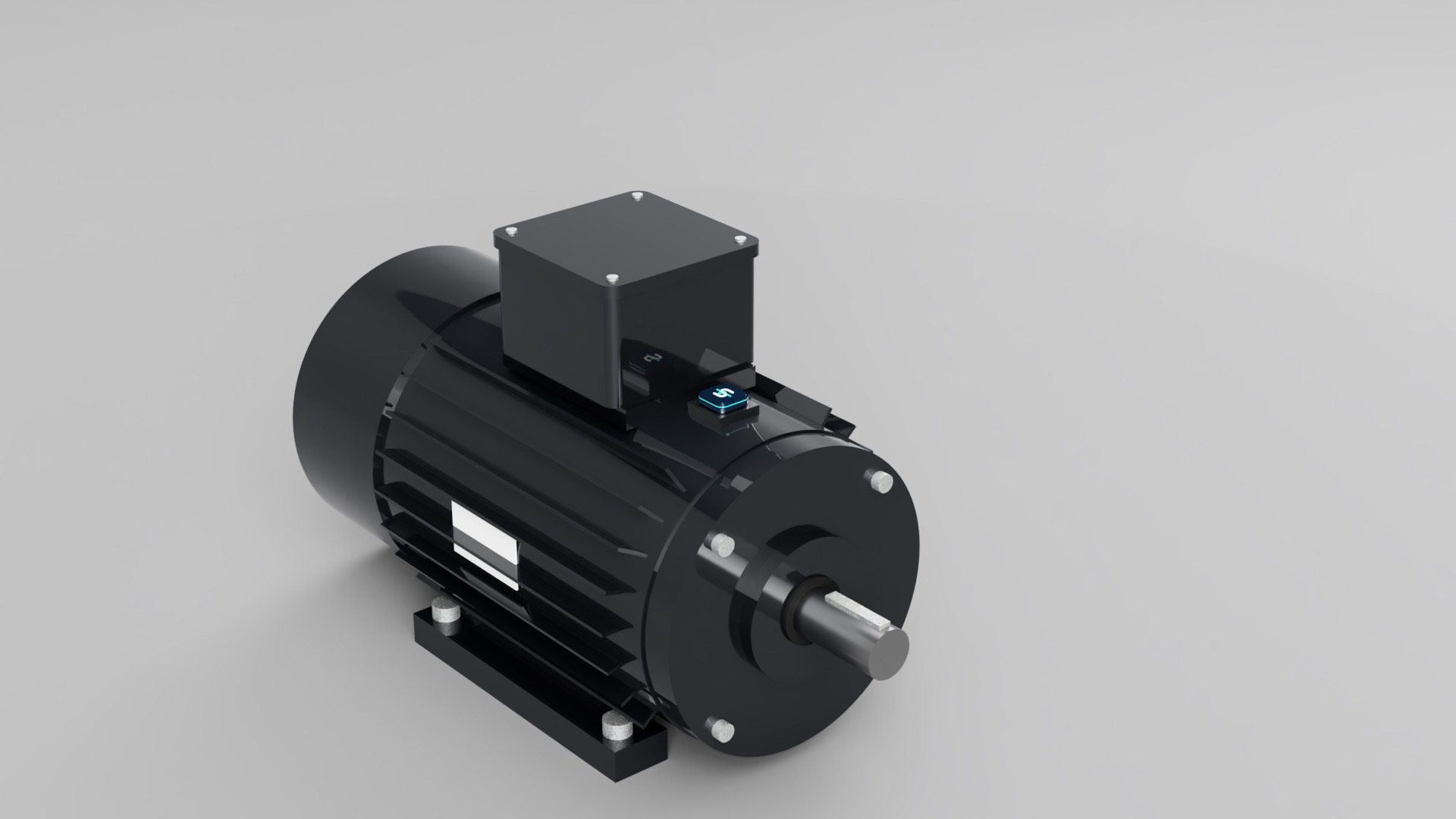
Engineering model render · concept design, not a photograph
Worked examples

What difference does it make?

Four examples of how an early warning turns a breakdown into a planned job. They are worked examples with stated assumptions, not customer results; we will publish real case studies once pilots are complete.

Worked example · oil refinery

An unspared process pump.

A single centrifugal pump feeds a process unit. A bearing starts to wear. Rolling-bearing faults often show in vibration weeks before they fail.

  • Week 0: Predict learns the normal vibration of the pump.
  • Week 5: Vibration at the drive-end bearing starts to rise; Predict flags the change.
  • Week 6: An engineer reviews the trend and plans a bearing change.
  • Week 8: Bearing replaced in a planned stop, with parts and crew ready.

Worked example with stated assumptions, not a customer result. Real outcomes depend on the machine, the fault and the site.

Without Predict
  • Bearing seizes, damaging the seal and shaft
  • Leak risk and an unplanned unit slowdown
  • Emergency call-out, parts rushed in
  • Example: 24–48 hours to repair
With Predict
  • Bearing changed before it damages the seal
  • Work planned into a normal shift
  • Parts ordered at standard lead time
  • Example: about 8 hours, planned
Worked example · mine

A conveyor drive pulley, 1.5 km from the plant.

An overland conveyor carries ore from the pit to the crusher. A long-range node on the drive pulley bearing reports back to a hub at the transfer house.

  • Day 0: Baseline learned for the pulley bearing and gearbox.
  • Day 20: Temperature and vibration creep up on the pulley bearing.
  • Day 24: Finding reviewed; replacement booked for the weekly shutdown.
  • Day 28: Bearing changed during the planned shutdown.

Worked example with stated assumptions, not a customer result. Real outcomes depend on the machine, the fault and the site.

Without Predict
  • Bearing fails mid-shift; the conveyor and crusher stop
  • Crew and crane mobilised to a remote site
  • Example: a full shift or more of lost production
With Predict
  • No unplanned conveyor stop
  • Repair done in the weekly shutdown
  • Fewer long walks along the belt to inspect
Worked example · ship

A seawater cooling pump, mid-voyage.

An engine-room seawater pump cools the main engine. Its motor bearing starts to wear four days from port.

  • Voyage day 1: Predict flags rising vibration on the motor bearing.
  • Day 2: Chief engineer reviews the trend and switches to the standby pump.
  • Day 2: Spares ordered to the next port.
  • In port: Bearing replaced alongside, no off-hire.

Worked example with stated assumptions, not a customer result. Real outcomes depend on the machine, the fault and the site.

Without Predict
  • Pump fails at sea; reduced speed while the crew repairs it
  • Spares flown out to the next port at high cost
  • Risk to schedule and charter terms
With Predict
  • Standby pump in service before failure
  • Parts waiting at the next port
  • Repair alongside with the right tools
Worked example · parcel hub

A sorter drive during peak season.

A parcel hub runs its sorter 20 hours a day in the weeks before Christmas. One drive gearbox starts to wear.

  • Week 1: Baseline learned on every sorter drive.
  • Week 3: One gearbox shows a rising vibration trend.
  • Week 3: Spare gearbox staged by the sorter.
  • Sunday: Gearbox swapped in the weekly maintenance window.

Worked example with stated assumptions, not a customer result. Real outcomes depend on the machine, the fault and the site.

Without Predict
  • Sorter stops at peak; parcels sorted by hand
  • Missed delivery promises and overtime
  • Example: several hours of lost sortation
With Predict
  • Swap done in the Sunday window
  • No lost peak capacity
  • Evidence to plan spares for next season
In development · VibNode LR

A long-range node for sites measured in kilometres.

We are developing a long-range version of VibNode, designed to reach a hub up to about 2 km away. One hub can then cover a refinery unit, a mine conveyor line, a rail depot or a port berth, without running cables to every machine.

01 · NODE

On the machine

Battery powered, fitted to the motor, pump, fan or gearbox. Measures vibration and temperature.

02 · UP TO ~2 KM

Long-range link

A low-power, long-range radio link from node to hub, designed for about 2 km.

03 · HUB

Site hub

Collects readings from many nodes and sends them on securely over the site network or mobile data.

04 · PREDICT

Planned work

Trends, reviewed findings and work orders in the Predict dashboard.

Status: in development, not yet tested. About 2 km is a design target; real range depends on line of sight, terrain, steel structures and installation, and will be confirmed in field tests before we publish a rating.

Oil & gas

Refineries, terminals and pipelines.

A refinery or terminal has hundreds of rotating machines spread over a large plot, many of them hard to reach on a routine walk. Long-range nodes let one hub cover a whole process unit or tank farm.

Hazardous areas: use in classified zones (ATEX / IECEx) needs a certified version of the node. Our nodes are not certified today; first use would be in safe areas such as utilities, pump houses and terminals.

What to monitor
  • Centrifugal process and transfer pumps
  • Reciprocating and screw compressors
  • Fin-fan air coolers and cooling-tower fans
  • Gearboxes, blowers, mixers and agitators
  • Pipeline pump and compressor stations
  • Loading pumps at jetties and terminals
  • Firewater and seawater lift pumps offshore
Why it matters
  • A failed pump or compressor can shut down a whole unit
  • Fewer manual rounds in hot, high or hazardous areas
  • Early warning on bearings, misalignment and imbalance
  • Evidence to plan repairs into turnarounds
Mining & quarrying

Conveyors, crushers and mills.

Mines run kilometres of conveyor and heavy plant far from the control room. A long-range node on each drive and pulley can report back to a hub at the transfer house or plant.

Underground mines need a version certified for mining hazardous areas (Group I). Surface plant comes first.

What to monitor
  • Conveyor drives, gearboxes, pulleys and idlers
  • Primary and secondary crushers
  • SAG and ball mill gearboxes and pinion bearings
  • Vibrating screens and feeders
  • Slurry and dewatering pumps
  • Ventilation fans and hoists
Why it matters
  • A stopped conveyor or mill stops production
  • Long conveyors are slow and unsafe to inspect on foot
  • Dust, shock and heat shorten bearing life
  • Spares and crews can be ready before the stop
Rail

Depots, stations and tunnels.

Railways depend on machines along the line and in the depot. Long-range nodes suit spread-out wayside assets such as tunnel fans and drainage pumps.

On-train use needs rail qualification (for example EN 50155 and EN 61373). Depots and wayside assets come first.

What to monitor
  • Tunnel and station ventilation fans
  • Drainage and sump pumps
  • Escalator and lift drives
  • Depot wheel lathes, compressors and lifting jacks
  • Points and level-crossing equipment housings (temperature)
  • Later: traction motors, gearboxes and axle bearings on trains
Why it matters
  • Failures in tunnels and stations disrupt service
  • Wayside assets are remote and need possessions to inspect
  • Planned work fits engineering hours
  • Condition data supports safety cases
Ships & offshore

Every important machine on board.

A ship is a floating plant: pumps, compressors, separators and fans run around the clock, far from a repair yard. Nodes can be fitted across the engine room and on deck.

Steel bulkheads block radio, so a ship would use a hub per engine room or deck zone. Marine use would need type approval from a classification society.

What to monitor
  • Cooling-water, fuel, lube-oil and ballast pumps
  • Fuel and lube-oil separators (purifiers)
  • Main and service air compressors
  • Engine-room and accommodation fans
  • Steering gear and shaft-line bearings
  • Thrusters, deck cranes, winches and mooring gear
  • Reefer and provision refrigeration plant
Why it matters
  • A failure at sea is far harder to fix
  • Supports planned maintenance and class surveys
  • Smaller crews cannot check every machine every watch
  • Spares can be ordered before the next port
Ports & terminals

Cranes, conveyors and reefer plant.

Ports combine long distances with heavy rotating plant, a good fit for long-range nodes.

What to monitor
  • Ship-to-shore and yard crane hoist and travel drives
  • Bulk conveyors and stackers
  • Pump houses and fire pumps
  • Reefer and cold-store compressors
Why it matters
  • A crane down holds up a vessel
  • Assets are spread across the quay
  • Wind, salt and dust are hard on bearings
Water & power

Pumping stations and plants.

Utilities run many small sites with few people. Nodes report back so engineers visit the station that needs it.

What to monitor
  • Raw and clean water pumps
  • Wastewater pumps and aeration blowers
  • Cooling fans, feed pumps and auxiliary plant
  • Standby generators
  • Wind turbine auxiliaries (later)
Why it matters
  • Unmanned sites are expensive to visit
  • Pump failures cause flooding and pollution
  • Evidence for regulated maintenance
Manufacturing & process

The machines on the line.

Food and drink, pharma, paper, cement and steel plants all depend on the same rotating machines.

What to monitor
  • Motors and gearboxes on production lines
  • Process pumps, mixers and agitators
  • Extraction and combustion fans
  • Kiln, dryer and mill drives
  • Compressed-air compressors
Why it matters
  • One stopped line stops shipments
  • Planned stops cost far less than breakdowns
  • Energy waste from worn machines
Warehouses & logistics

Where we started.

Automated warehouses and parcel hubs run hundreds of motors and gearboxes. Predict is designed to monitor our own automation and the machines around it.

What to monitor
  • Conveyor and sorter drive units
  • AMR and shuttle drive motors
  • Lifts, spiral conveyors and fans
  • Cold-store refrigeration plant
Why it matters
  • A failed drive can stop a whole sort line
  • Peak season leaves no room for breakdowns
  • Links to our maintenance-by-design approach
Buildings & data centres

Keeping buildings running.

Hospitals, airports, offices and data centres rely on plant that nobody sees until it fails.

What to monitor
  • Air handling units and supply fans
  • Chilled-water and heating pumps
  • Chillers and cooling towers
  • Standby generators
  • Baggage-handling conveyors at airports
Why it matters
  • Cooling failures put data and patients at risk
  • Plant rooms are rarely inspected
  • Planned work avoids out-of-hours call-outs
Where we are

Honest status.

VibNode is in physical testing. VibNode LR, the long-range version, is in development. Every other application on this page is a target market, not a finished product. Certified versions for hazardous areas, rail and marine would follow testing and the relevant approvals.